 Admin
Admin
First-Time Home Buyer Programs: A Complete Global Guide for 2025
Buying your first home is one of the biggest financial milestones in life. For many people around the world, rising property prices, limited savings, and tightening lending requirements make homeownership feel out of reach. Fortunately, governments, banks, and financial institutions in many countries offer first-time home buyer programs designed to ease the financial burden and help new buyers enter the property market.
This global guide explores how first-time buyer programs work, what benefits they offer, how eligibility is determined, and what aspiring homeowners should know before applying. The content applies to audiences across the US, UK, Canada, Australia, Europe, Asia, and other emerging markets.
What Are First-Time Home Buyer Programs?
First-time home buyer programs are financial assistance plans created to help new purchasers overcome common barriers such as high down payments, limited credit history, or insufficient income. These programs can be government-backed, bank-supported, or part of private funding initiatives.
Common Types of First-Time Home Buyer Assistance:
- Down payment grants or subsidies
- Low down payment mortgage programs
- Reduced interest rate loans
- Government-backed mortgage insurance
- Tax credits or tax deductions
- No-closing-cost loans
- Shared equity schemes
- Zero-interest loans or deferred payment loans
Why First-Time Buyer Programs Exist
As real estate markets globally become more expensive, many potential homeowners struggle to save large down payments or meet strict lending conditions. These programs aim to:
- Make housing more accessible
- Increase homeownership rates
- Support young families entering the market
- Stimulate the economy through real estate spending
- Encourage long-term financial stability for citizens
Global Overview of First-Time Buyer Programs
United States
The US offers a wide range of federal and state-level programs:
- FHA Loans – Low down payment (3.5%), flexible credit requirements.
- VA Loans – 0% down payment for veterans and service members.
- USDA Rural Housing Loans – 0% down for rural areas.
- State-specific down payment assistance programs.
United Kingdom
- First Homes Scheme – Discounted homes for first-time buyers.
- Shared Ownership – Buy a portion of the home and pay rent on the rest.
- Lifetime ISA – Government bonus for home purchase savings.
Canada
- First-Time Home Buyer Incentive (FTHBI) – Shared equity support.
- Home Buyers' Plan (HBP) – Withdraw retirement savings tax-free.
- Reduced mortgage insurance premiums.
Australia
- First Home Owner Grant (FHOG)
- First Home Guarantee – Buy with as little as 5% down.
- Stamp duty concessions for eligible buyers.
Other Emerging Markets
Countries like Singapore, India, Malaysia, and UAE are expanding first-time buyer schemes including down payment subsidies, government-funded loans, and tax incentives.
Who Qualifies as a First-Time Home Buyer?
Although terms vary, countries typically classify buyers as “first-time” if:
- They have never owned a home before.
- They have not owned property in the past 2–5 years.
- They meet income limits.
- They intend to use the home as a primary residence.
Some countries allow exceptions for:
- Single parents
- Divorced individuals
- People who previously owned property but no longer do
Key Benefits of First-Time Buyer Programs
- Lower upfront costs
- Better mortgage terms
- Access to government-backed loans
- Reduced barrier to entry in expensive markets
- Financial protection through insurance or guarantees
Down Payment Assistance (DPA)
One of the most powerful first-time buyer benefits is down payment assistance. These can be:
- Grants that do not need to be repaid
- Zero-interest loans
- Forgivable loans
- Subsidized down payment matches
Shared Equity Schemes
Popular in countries like the UK and Canada, shared equity programs allow buyers to purchase part of the home while the government or lender retains partial ownership. Benefits include a lower purchase price and reduced financial burden, though buyers must share future appreciation.
Low Down Payment Loans
Loans requiring 0–5% down payment are increasingly common across global lending markets, especially for young buyers with limited savings.
Interest Rate Subsidies
Some governments provide lower interest rates or rate caps to make borrowing more affordable.
Tax Benefits for First-Time Buyers
- Tax credits for mortgage interest
- Reduced property taxes
- Tax-free withdrawals from retirement accounts
- Stamp duty waivers (UK, Australia)
How to Compare First-Time Buyer Programs
To choose the best program, compare:
- Interest rates
- Loan terms
- Down payment requirements
- Eligibility criteria
- Income or location restrictions
- Closing costs
- Government guarantees
- Fees and insurance premiums
Common Challenges First-Time Buyers Face
- Saving enough for a down payment
- Building credit history
- Understanding complex mortgage terms
- Managing closing costs
- Handling rising home prices
Tips for First-Time Buyers to Improve Approval Chances
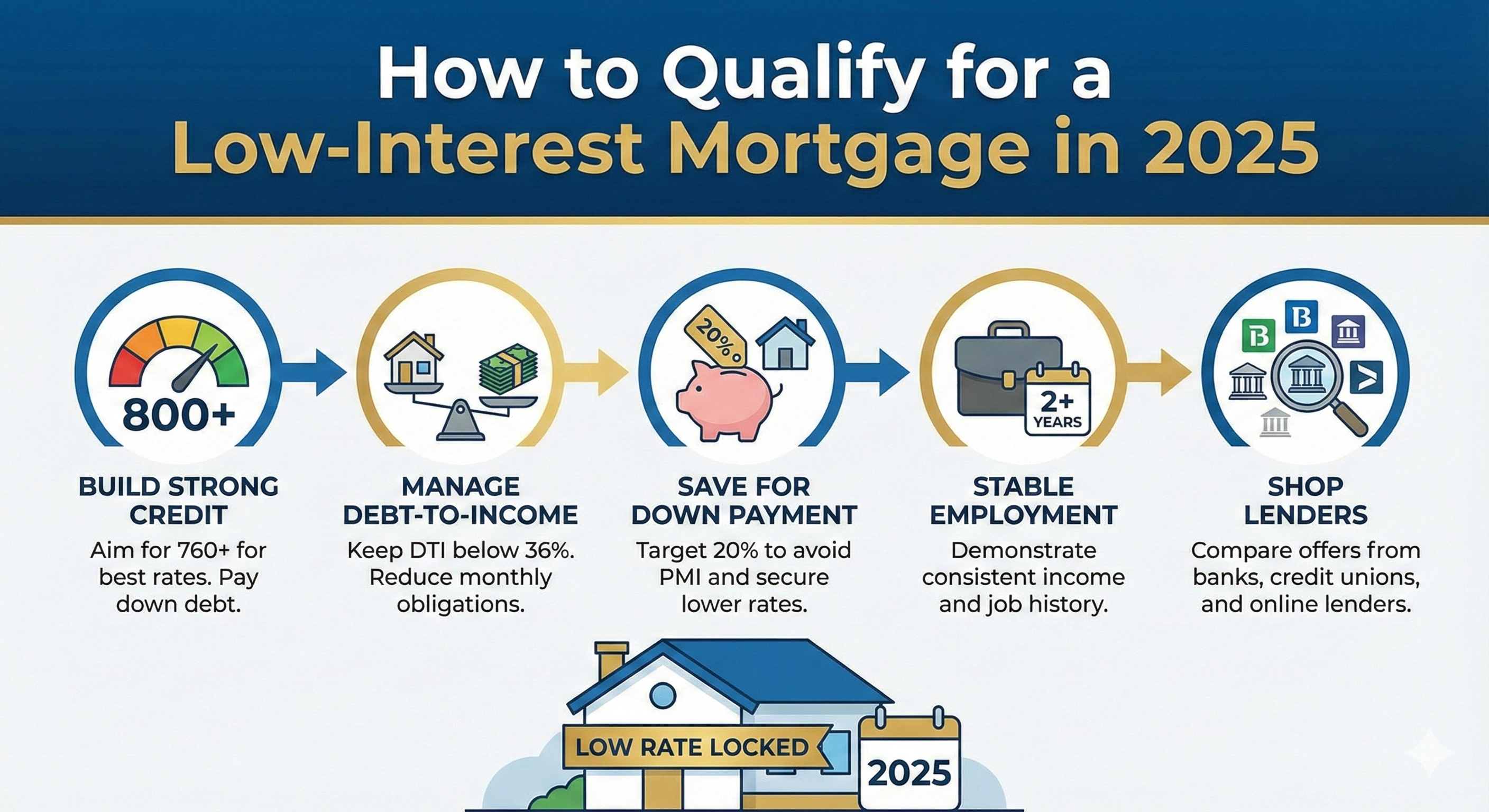
- Increase credit score before applying
- Reduce debts to improve DTI ratio
- Save consistently to show stability
- Get pre-approved before house hunting
- Compare lenders instead of choosing the first one
- Take advantage of education courses many programs require
Global Real Estate Trends in 2025
- Growing demand for urban housing
- Rising popularity of smaller homes and condos
- Advanced digital mortgage platforms
- Remote work increasing suburban movement
- More government intervention to help new buyers
Conclusion
First-time home buyer programs play a crucial role in making homeownership affordable and achievable globally. Whether through grants, low-down-payment mortgages, tax benefits, or government guarantees, these programs reduce financial barriers and help millions secure their first home.
With proper research and strategic planning, first-time buyers can find powerful opportunities to enter the market—even in challenging or high-cost regions.

 Admin
Admin